


T’aaq-wiihak Fisheries
T’aaq-wiiḥak: Fishing with the Permission of the Ha’wiih
Before T’aaq-wiiḥak
For thousands of years, Nuu-chah-nulth Nations have fished throughout their haḥuułi (traditional territories), guided by traditional laws and the authority of the Ha’wiih (hereditary chiefs). Fishing was at the center of community life, feeding families, building trade networks, and strengthening cultural ties along the west coast of Vancouver Island.
That balance began to change when colonial and federal regulations took control of fisheries. Licences, quotas, and closed areas were introduced without the consent of the Nations whose territories they covered. Over time, most Nuu-chah-nulth fishers were pushed out of the commercial fishery due to limited fishing licence and the rising costs to acquire those licences.
By the 1990s, many families could no longer sell the fish they caught. They were limited to “Food, Social and Ceremonial” (FSC) licences that allowed harvest only for home use. Selling fish from their own waters became illegal even though it had been part of their economy for generations.
When programs like the 1996 Mifflin Plan reduced Indigenous access even further, the five Nations decided to take action.
The Court Case: Recognizing a Right
In 2003, the Ahousaht, Ehattesaht/Chinehkint, Hesquiaht, Tla-o-qui-aht, and Mowachaht/Muchalaht Nations brought their case to the B.C. Supreme Court. They argued that their right to fish and sell fish commercially was never given up and was protected under Section 35 of Canada’s Constitution.
In 2009, the Court agreed. It recognized that the Nations have an Aboriginal right to harvest and sell fish from their territories. Later appeals confirmed that the right is not limited to small-scale or subsistence fishing; it is a commercial right.
This decision changed everything. For the first time in modern history, Nuu-chah-nulth fishers could once again plan, harvest, and sell fish under their own authority, in line with their traditional governance.
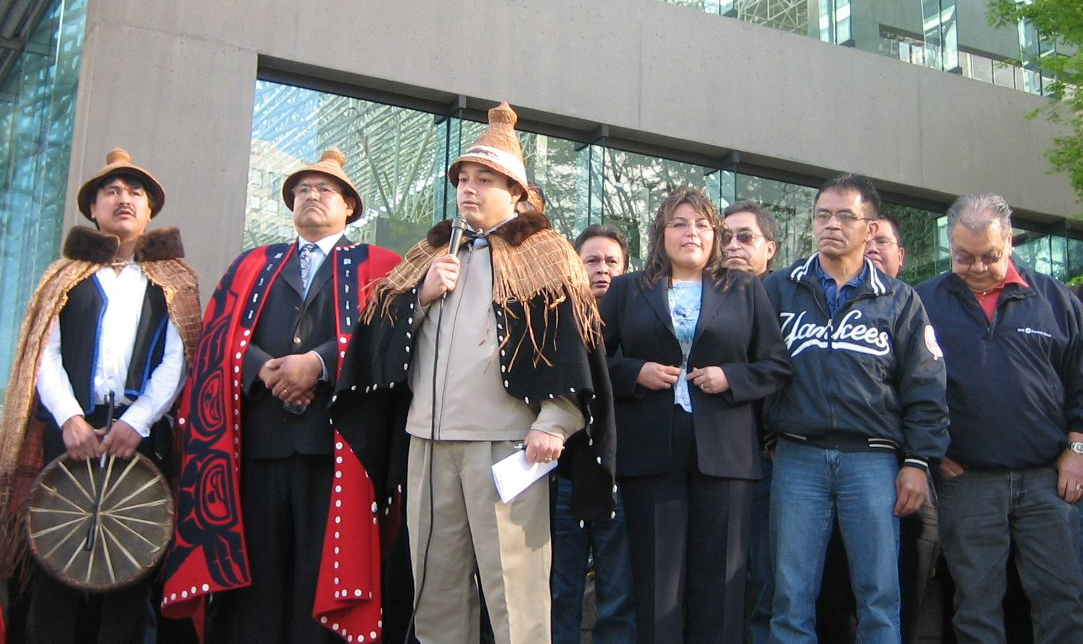
Photo: https://taaqwiihakfisheries.ca/about-taaq-wiihak
Building the T’aaq-wiiḥak Fishery
Following the decision, the five Nations came together under the banner T’aaq-wiiḥak, a Nuu-chah-nulth word meaning “fishing with the permission of the Ha’wiih.”
With support from the Ha’oom Fisheries Society, the Nations began developing fisheries that honour both modern science and traditional knowledge. Demonstration openings for salmon, halibut, and invertebrates were followed by full multi-species management plans.
Since 2019, these fisheries have been implemented through the Five Nations Multi-Species Fishery Management Plan, created jointly by the Nations and Fisheries and Oceans Canada (DFO). The plans outline where, when, and how fishers can harvest salmon, groundfish, and shellfish while protecting conservation values.
Today
As of 2025, T’aaq-wiiḥak continues to operate as a rights-based, community-run fishery grounded in Nuu-chah-nulth values:
ʔiisaak / respect
hishukʔish tsawalk / everything is connected, and
uu-a-thluk / taking care of.
Fishers from Ahousaht, Hesquiaht, Tla-o-qui-aht, Ehattesaht, and Mowachaht/Muchalaht harvest salmon, halibut, lingcod, dogfish, and invertebrates under the authority of their Ha’wiih. Vessels display the T’aaq-wiiḥak flag — a symbol of restored stewardship and responsibility.
In 2024, the Nations and Canada signed the Incremental Reconciliation Agreement for Fisheries Resources (IRAFR) to strengthen co-governance and expand economic opportunities while ensuring sustainability for future generations.
Today, T’aaq-wiiḥak represents more than a fishery. It is a statement of sovereignty, self-determination, and respect for the ocean that has sustained Nuu-chah-nulth people since time immemorial.